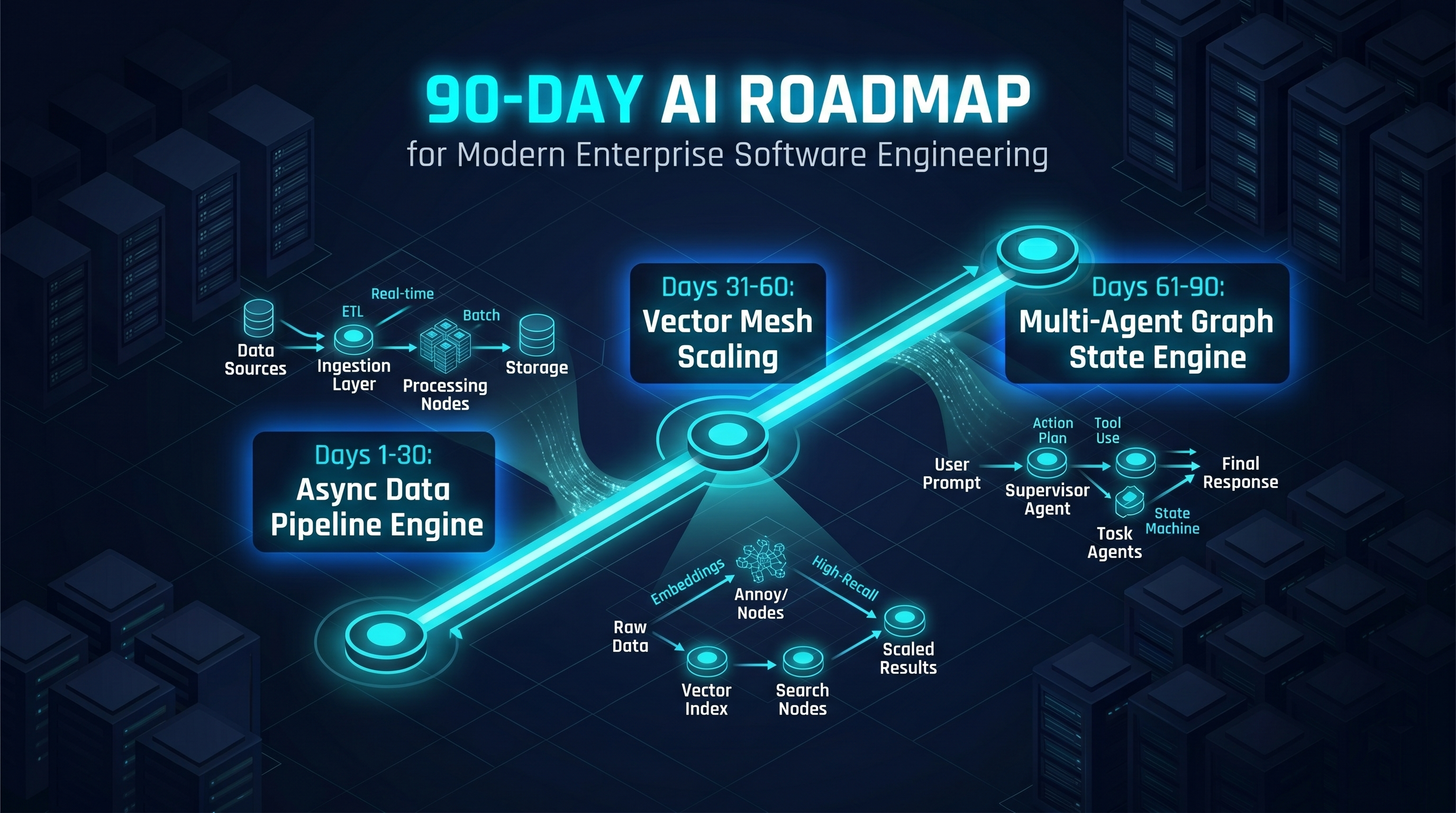
The landscape of AI engineering in 2026 has fundamentally shifted from training models from scratch to architecting complex cognitive systems. If you are spending your first 30 days memorizing the calculus behind backpropagation, you are prepping for a research role that doesn’t match industry hiring velocity. Companies need engineers who can build, secure, and scale production systems.
Days 1–30: Master Advanced Python and Data Orchestration. Move past basic looping structures. You must master asynchronous programming (asyncio), structural data validation using Pydantic V2, and layout-aware document chunking engines. Your code needs to gracefully handle API rate limits and connection retries without crashing production workers.
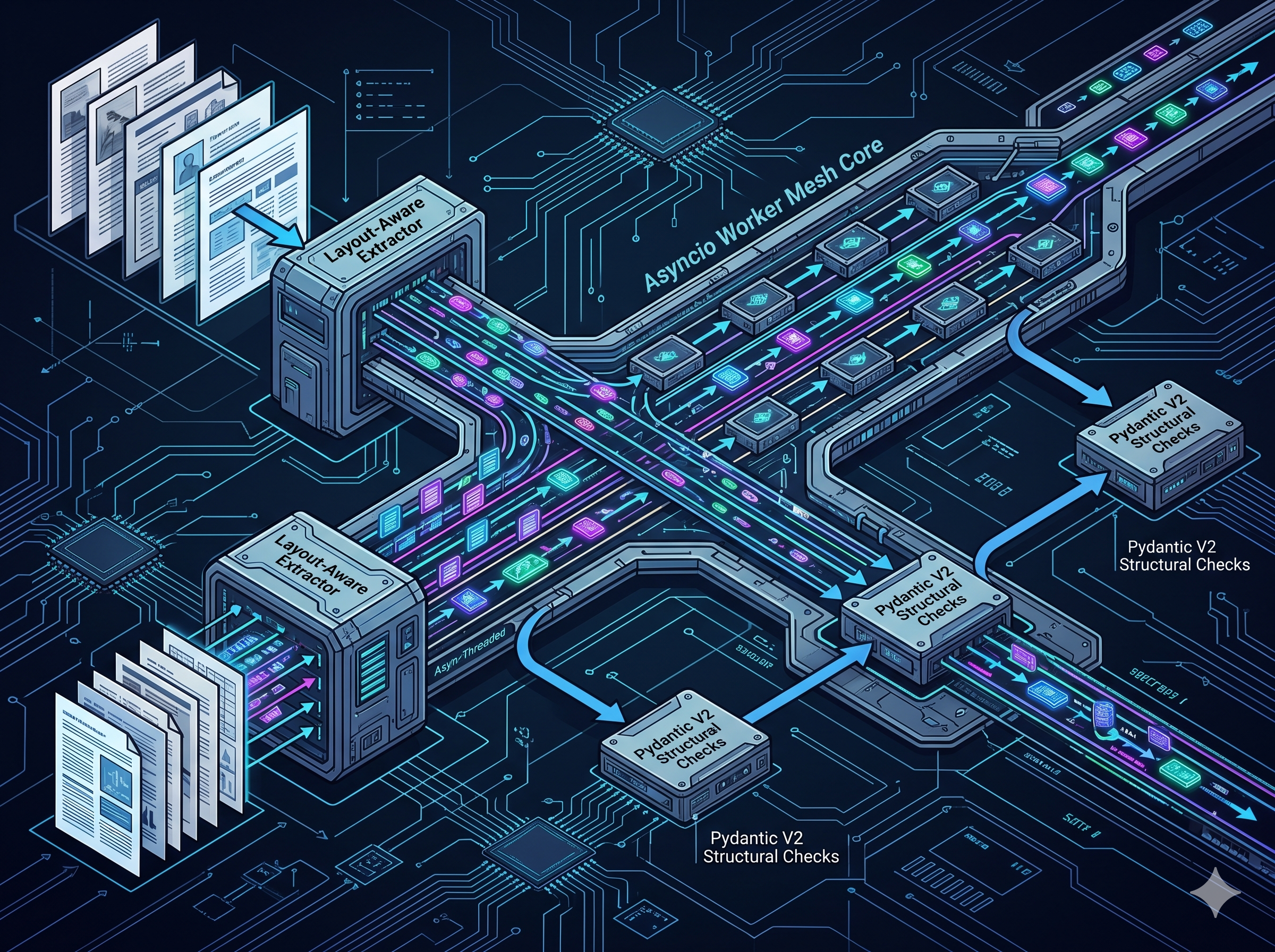
Figure 1.1: Asynchronous Task Orchestration and Rate-Limiting Mesh Pipeline Architecture.
Days 31–60: Deep Dive into Semantic Spaces and Vector Infrastructure. Learn how text strings transform into high-dimensional geometric vectors using dense transformer models. Practice building local indexing engines with FAISS before migrating your pipelines onto cloud clusters like Pinecone or Qdrant. Focus on understanding hybrid search mechanisms—combining raw keyword matching with semantic vector math.

Figure 1.2: Multi-Cluster High-Dimensional Vector Projection and Semantic Dense Space Indexing Mapping.
Days 61–90: State Machines and Autonomous Orchestration. The era of simple sequential prompts is over. Complex business logic requires cyclical state evaluation graphs. Master frameworks like LangGraph to construct deterministic multi-agent networks featuring human-in-the-loop debugging checkpoints. This is the exact skill set that separates entry-level builders from enterprise architects.
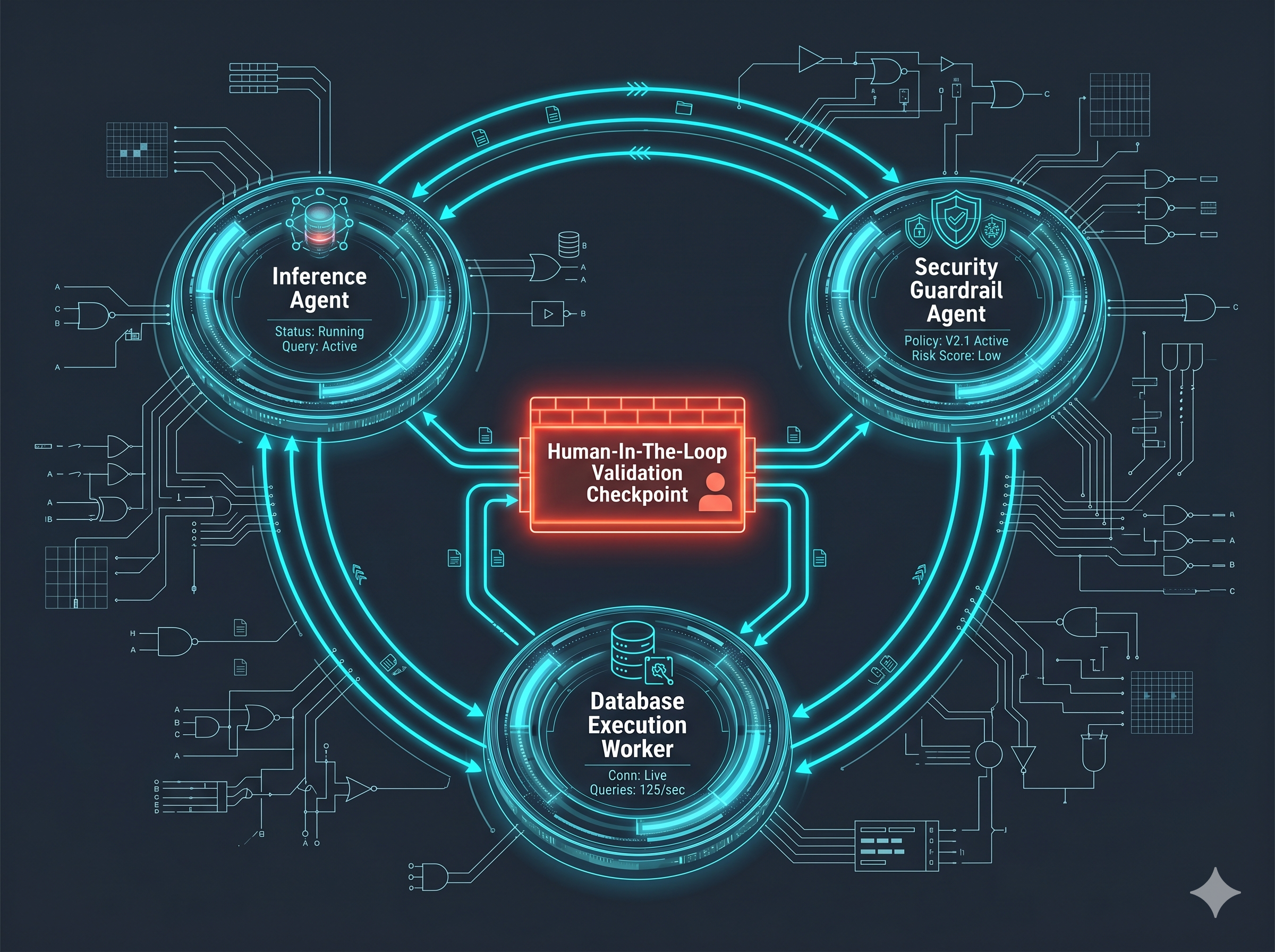
Figure 1.3: Stateful Multi-Agent Communication Graph with Human-in-the-Loop Interceptors.